Hong Kong Family Office Bets on Pickleball With New Sports Unit
- investment33
- Dec 18, 2025
- 3 min read
By SK Lee
A Hong Kong family office is building a pickleball platform spanning clubs, athletes and events, wagering that the fast-growing sport can become a scalable media and participation business across Asia.
TGG Group, a private investment office focused on Asia, has launched LIT Sports Global as its dedicated sports investment arm, according to people familiar with the plans. The initiative is expected to be backed by about $300 million earmarked for sports over time, as reported by AAStocks, a leading financial data provider in Asia.
The strategy echoes consolidation underway in the US, where Tom Dundon’s Dundon Capital Partners has assembled a portfolio that includes retailers, tournament infrastructure and professional league assets. TGG is attempting a similar vertical build-out in Hong Kong and, eventually, other Asian markets, the adviser said.
Building a local base
LIT Sports Global began operating in October and has merged with The Greater Bay Area’s longest running pickleball club, TLP Pickleball Association, founded by Rocky Chan. The merged entity is named LIT TLP and has already signed professional contracts with three Hong Kong players, organised the largest and most professional event in Asia, the World Pickleball Championships in Hong Kong, with 900 players contended over 3 days over 1800 matches.
Andre Lajeunesse, Managing Director of TGG Group, took a stronger interest in pickleball after an injury limited his participation in polo. He has returned from the Bahamas in 2023 to Hong Kong after an illustrious career in investment banking in the region. He has overseen the family office since 2024, with the group managing assets comprising real estate, lifestyle and technology/media investments.
“It’s accessible and competitive simultaneously,” Lajeunesse said in an interview to SCMP, a local newspaper, describing the appeal as a sport that can accommodate newcomers and high-performance athletes on the same court.
Club acquisition and athlete roster
A central asset for development is LIT TLP, a club founded in 2018 that TGG acquired in a deal completed this year. Six LIT TLP alumni have been selected for Hong Kong’s national team, according to newspaper coverage. The club has contributed HK$500,000 ($64,000) to rebuild communities in Tai Po that were damaged by a recent fire, they said.
Among the athletes signed to LIT are Ryan Lam Chun-hei, who competed for Hong Kong at international events, Agnes Fan, who left her M&A job to pursue the professional circuit, and Nikita Tang Nok-yiu, people familiar with the matter said.

A growing market — and familiar risks
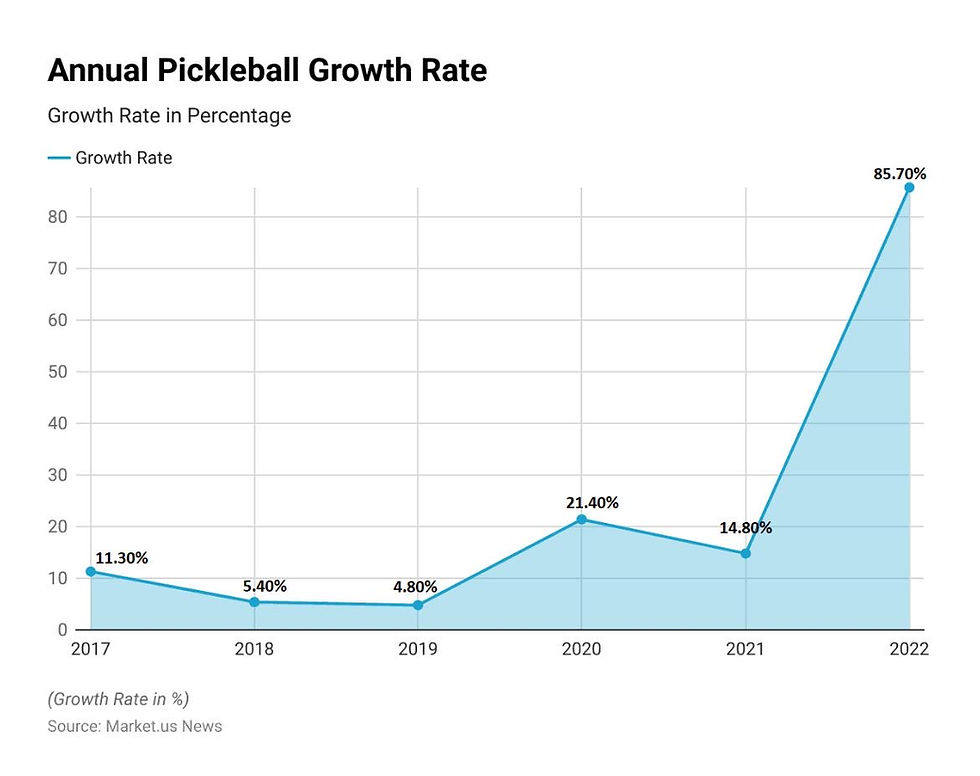
Pickleball participation has expanded rapidly in Hong Kong since around 2019, with courts appearing in converted tennis venues, warehouses and temporary “pop-up” sites, according to local operators. The broader investment case rests on expectations for continued global growth: the pickleball market was valued at about $2.2 billion in 2024 and could reach $9.1 billion by 2034, implying a 15.3% compound annual growth rate, according to Market.us estimates cited by the firm’s backers.
TGG’s team has also explored partnerships that would link pickleball to other sports properties and event formats, the people said. Former tennis champion Andre Agassi visited Hong Kong in October for a clinic and discussed advisory support for training programs, according to the people.
The push comes with execution risk. Sports roll-ups have drawn scrutiny in other categories, and pickleball’s rapid commercialization in the US has also produced cautionary tales, including failed venue ventures and investor disputes. Market observers say a key question is whether participation levels hold once the novelty fades.
TGG executives argue the sport’s low equipment cost, short match times and small-court footprint give it advantages in dense cities such as Hong Kong, and they see a path to build league and content rights over time, the people said.
For now, the firm is focused on consolidating local infrastructure and developing talent — a playbook it hopes to export as pickleball adoption accelerates in mainland China and other parts of the region.


